Author: Michael Ranger

Working hard or hardly working? Matt Delaney

Active jobs + or – active lifestyles.


We know that physical activity is important to help with a wide range of health conditions as well as having great physical and psychological benefits. There is however, a distinction between leisure time physical activity (LTPA) and occupational physical activity (OPA). Occupational physical activity occurs because of a certain job/workplace. Whether LTPA is activities that are not directly a part of our activities of daily living and are at the discretion of the person. LTPA provides great benefits for your cardiovascular health and reduces risk associated with conditions such as hypertension and coronary heart disease, OPA does not, in fact it has been shown to increase risk of these conditions if this is the only form of physical activity an individual is undertaking.


This is due to the following factors:

  • OPA is at too low of an intensity and for too long of a period. Normally at 30-35% of our maximal aerobic capacity for 8-10 hours.
  • OPA leads to an sustained elevated 24 hour heart rate and blood pressure. This is due to repetitive heavy lifting and prolonged static postures.
  • Insufficient recovery times due to long shifts over consecutive days can lead to increased levels of inflammation.
  • Limited worker control over stressors and the surrounding environment. These can be things such as access to rest breaks, environmental temperatures, and hydration.


Compare this to LTPA which:

  • Is of a high enough intensity to improve cardiovascular fitness (>60-80% of maximal aerobic capacity) and for a shortened period of time.
  • LTPA may also involve heavy lifting like OPA, however this is for shorter time periods, under controlled conditions with adequate recovery time during and in between sessions.
  • LTPA is performed under self-regulated conditions.


Therefore, it is important to ensure that even those in active workplaces participate in some form of leisure time activity to improve cardiovascular health, and reduce the risk factors associated with OPA.

The physical activity paradox: six reasons why occupational physical activity (OPA) does not confer the cardiovascular health benefits that leisure time physical activity does.
British Journal of Sports Medicine 2018;52:149-150.


Prep To Play Manual

AFLW

Reducing your risk of injury, prevention is the best treatment!


Did you know that leg injuries account for nearly half of all injuries in footy players? Want to get ahead and prevent the risk of ankle sprains, knee injuries and general lower limb injuries by half? Sounds too good to be true right?!?


Wrong! The injury prevention program PrepToPlay has been shown to do just that. This program has been put together by a group of expert clinicians from multiple leading Australian universities with the help of the AFL Medical Officers Association, AFL Physiotherapists Association, and AFL Sports Science Association. We know that unfortunately some injuries are unavoidable, particularly with contact sports. However, did you know that approximately half of ACL injuries are actually done without any contact! We reckon that sounds pretty preventable…


Imagine having a season without any missed games due to injury!


A non-contact ACL injury is about 2-3 times more likely to occur in female footy players compared to male footy players. ACL injuries (and most leg injuries for that matter) are likely due to several factors, including poor hip/knee/ankle control, poor general lower limb strength, and the agility/start-stop nature of the sport. Australia has one of the highest rates of ACL surgeries, and we think this is probably due to the type of turf we play on.


The experts have therefore devised a simple preventative exercise program to target all risk factors associated with leg injuries, which include components of:

  • Warm up

  • Hamstring strength

  • Hip strength

  • Groin strength

  • Skills specific to balance, landing and change of direction


Each component progresses gradually, simulates requirements of game play, and are easy to perform with minimal equipment and can be done almost anywhere (with a bit of space and a buddy).


PrepToPlay is a program that is simple, yet effective and is recommended across all age groups from beginners to the professional seniors. For more information ask your coach or drop by at Physio Plus to see a physiotherapist.


  1. Hübscher M, Zech A, Pfeifer K, Hänsel F, Vogt L, Banzer W. Neuromuscular training for sports injury prevention: A systematic review. Medicine & Science in Sports & Exercise 2010, 42(3):413-421.

  2. https://resources.afl.com.au/afl/document/2021/09/02/106535ea-a1b8-4d19-b82d-edcfed9a693c/AFLW-Prep-To-Play-Manual.pdf

Greater trochanteric pain syndrome – Wilson Tang

Greater trochanteric pain syndrome

Do you experience pain over the side of your hip/pelvis? Do your symptoms worsen when sleeping on your sides, or after performing physical activity such as jogging or walking up and down stairs? It could be Greater Trochanteric Pain Syndrome (GTPS).

What is GTPS?

GTPS is a relatively common condition where one feels pain over the side of their hip. These symptoms can often travel down the side of the leg or around the buttock region. It is thought that GTPS occurs due to altered biomechanics and reduced load capacity of the hip muscles. These muscles provide stability during standing, walking and other movements. GTPS may feel worse when first waking in the morning, during movement, or even after being sedentary for some time.


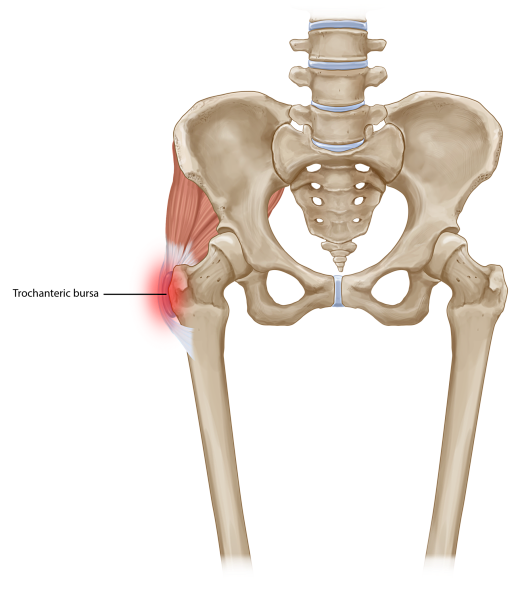
The components of GTPS can often be separated into 1) gluteal tendinopathy (often termed tendinosis if confirmed with ultrasound imaging), and 2) with or without greater trochanteric bursitis (again can be seen via ultrasound imaging). Gluteal tendinopathy simply refers to the musculotendinous component of the condition, and bursitis simply refers to the inflamed area of cushioning over the bony part of the hip area (see Figure 1.)


Who’s at risk?

GTPS is often seen in women above the age of 35-40 years, but can occur earlier and to anyone. Individuals often report a gradual progression of symptoms, which may be preceded by a specific change in activity or exact moment of injury. For example, you may have started running again, or you slipped and bumped your low back/hips, or you may have even been out with the flu and have been laying on the couch a bit more than usual.


Can we diagnose GTPS without imaging?

Diagnosing GTPS can be done quite accurately by a physiotherapist when using a combination or cluster of tests to improve sensitivity and specificity. For example, palpation of the greater trochanter and any combination of loading/compressive testing of the lateral hip structures/muscles (30 sec SLS test, FABER, FADER-R etc) gives the best diagnostic accuracy. It is important to distinguish those with GTPS and those experiencing lumbar spine referred pain, as symptoms can be felt around the same areas but will be managed differently.


Managing GTPS

Whilst it may be tempting to push through the pain, appropriate management may require certain activity and postural modifications to keep pain minimal.

This may include:

Sleep habits

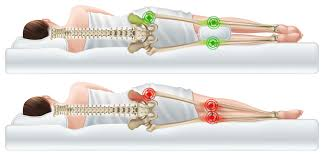
  • Sleeping on your back or front if possible. Sleeping on sides increases compression over the sore irritated bursa/muscle tendons and can further aggravate symptoms.

  • If sleeping on your sides, a softer mattress (mattress toppers are a great idea) may help reduce the compressive pressure over the sore area, or sleeping with a pillow between the knees may also help reduce compression over the sore area.


Sitting/standing postures

  • Avoid sitting with legs crossed where possible, as this further increases pressure over the sore area.

  • A higher chair height typically helps reduce the angle between your legs and pelvis, which may help reduce pressure over the side of your hips (try sitting on top of a pillow at the kitchen table).

  • Avoid putting more weight on the sore leg when standing still a.k.a. “Hip hanging”.


Walking/stairs

  • Walking uphill and stairs often increases loading and compression over the lateral hip muscles. If possible ease up on these activities for a short period to allow symptoms settle.


Medications

  • Oral anti-inflammatories may help the process along, and allow for you to get started on the active exercise and rehabilitation.

  • Local steroid injections may help relieve symptoms short-term, but there is some emerging research questioning the long-term effectiveness and safety of receiving too many steroid injections


Manual therapy

  • Some treatment directed over muscles involved may help relieve symptoms short term, but typically we avoid direct pressure over the bony aspect of the outer hip.

  • Taping may also be an option to help offload sore structures during movement.


EXERCISE

As with many injuries/conditions, exercise is key for long-term management of GTPS. Specifically targeting the muscles of the hip girdle, and addressing biomechanical factors will help resolve symptoms in the long run. However, knowing how much to do and what to do specifically is crucial as always. For example, walking 10 mins compared to 30 mins can be a completely different ball park for the affected muscles/structures, and may be the difference between a manageable exercise amount and an amount that makes symptoms worse.


A gradual loading program to strengthen those muscles of the pelvic girdle, and offloading sore structures with appropriate rest or modifications will get you feeling much better and get you back to doing what you love.

Assessment, Management and Prevention of Calf Muscle Strain Injuries – Review Matt Delaney

Research Review:


The Assessment, Management and Prevention of Calf Muscle Strain Injuries: A Qualitative Study of the Practices and Perspectives of 20 Expert Sports Clinicians


https://www.ncbi.nlm.nih.gov/pmc/articles/PMC8761182/


This paper aimed to evaluate the current practices regarding assessment, management and prevention of calf muscle injuries. This was done through interviews with 20 expert clinicians who either work in elite sport or were researchers in the relevant field.


The first portion of the interviews focused on evaluating injury characteristics and in particular differentiating gastrocnemius strains from soleus strains. There was a consensus that soleus injuries can be an accumulation of symptoms that tend to present as a gradual onset, whether gastrocnemius injuries have a distinct mechanism. Soleus injuries are more common in steady state running whether gastrocnemius injuries tend to involve acceleration, jumping, landing or sprinting. Low grade soleus injuries can be more difficult to localise the source of pain, with focal pain being more common in injuries involving gastrocnemius (or severe soleus injuries).


Risk factors including past history of calf strain or previous lower limb soft tissue injury as well as recent interruptions to or sudden increases in running workloads, this is particularly relevant in soleus injuries. This was noted more often in the pre-season period as athletes were re-introduced to running workloads and higher intensity. In objective testing changing knee position can help differentiate muscle involvement for stretch and strength testing (flexed for soleus and extended for gastrocnemius) however in severe injuries symptoms will present similarly regardless of knee position. Appropriate loading during your examination from low load (isometrics) through to concentric (double and single leg) and plyometric if able assisted in grading the injury severity.


After assessment for injury severity and pathology, experts then looked at rehabilitation. Initial goals were normalising gait pattern and appropriate early loading. Once able to demonstrate single leg calf raise capacity athletes should then be progressed to loaded strengthening, commonly this involved smith machine calf raises, and seated calf raises. These should be set up with parameter reflecting the sport (eg: strength endurance in runners or force generation capacity in rugby or sprinters) and progress through range of motion as the athlete tolerates initially starting on flat then moving to an incline.  Experts also advised to strongly considered soleus capacity in all calf injuries and athletes regardless of the pathology involved prior to introducing dynamic exercise.


The next step is to introduce plyometric/ballistic exercises. Two main exercise streams were identified: (1) repeated stretch-shortening cycle’s (SSC) over small length-excursions associated with a rhythmic muscle tendon unit (MTU) action (e.g. skipping or single leg pogos), and (2) single or several SSCs over larger length excursions (e.g. single leg countermovement jump, forward hopping) associated with an accelerative MTU action. These should be prescribed first in the vertical plane and then in the horizontal plane due to increased tissue demands required in the latter. Plyometric exercise selection should reflect the sporting demands and with sports such as AFL or soccer there may be a need to develop both rhythmic and accelerative plyometrics.


Determining readiness to run was another topic discussed throughout the paper with experts reporting that gait re-training drills were initiated as soon as practical with examples such as stair ascents, bear crawls or wall A-drills used. To be cleared for return to running 3 checkpoints were required, firstly achieving appropriate tissue strength capacity (eg: single leg calf raise endurance or loaded calf strength), secondly the ability to tolerate repeat hopping and finally the absence of any clinical signs or symptoms (pain on stretch, reduced ROM etc). Six recommendations were identified from information provided by experts to guide running rehabilitation: (1) initially run on alternate days, (2) avoid “plodding” early, (3) do not progress volume and intensity on consecutive running days, (4) schedule off-field exercises (e.g. loaded strengthening) after running, (5) shape running progressions to meet the demands of the sport—don’t overshoot with excessive volume, (6) avoid sudden changes in conditions, such as the surface and footwear. The reasoning to avoid plodding during early running rehabilitation was that it had been found to predispose to recurrence for injury involving soleus. Endurance capacity does need to be ticked off however the recommendation was to check this off last once higher speeds and change of direction loads had been hit.


A return to play checklist is detailed below, in terms of strength tests Smith machine raises (extended knee) at least 1 x bodyweight for 5 repetitions and seated calf raises 1.5 x bodyweight for 5 repetitions were recommended. For vertical hop tests a countermovement or depth jump was used and for horizontal capacity a single hop and triple hop test were used with an asymmetry of <10% compared to the unaffected side. Once the athlete has returned to sport, these tests can also be used as a monitoring criteria in regards to injury prevention. It was found the risk of recurrence was due to four main factors: (1) Increased chronological age, (2) previous calf muscle injury, (3) previous lower limb injury and (4) exposure/loading history. Experts agreed that the best way to mitigate risk was to ensure uninterrupted sports exposure whilst monitoring player training loads and continuing to hit strength benchmarks.

The necessary evil of pain – Monique Rowlands

Let’s talk about the necessary evil of acute pain.

Acute pain is something that we have all experienced at one point or another. Often, patients find the pain of their injury quite distressing, which is fair. Pain is a noxious stimulus, it excites the alarm centres in the brain, setting off a series of protective mechanisms including a psychological distress response. However, I want to spend some time thinking about how acute pain can be used as a training tool to fix bad habits, learn new things about exercise or training loads and be beneficial in our experience of life.

First, let’s consider what I mean by bad habits. Often acute pain is due to tissue stress, caused by abnormal loading of muscles or joints – bad habits or poor biomechanics. Our bodies are amazing things and are extremely patient with our bad habits and poor techniques. Bodies have a biomechanical tolerance, meaning that you can perform an activity with bad technique without experiencing pain up to a certain point. This point is different for every body, some may reach it sooner than others, but at some point, tissue loading reaches a point where the joint/ ligament/muscle is no longer able to tolerate the abnormal biomechanical loading. This point is where tissue becomes pain sensitized by an inflammatory response and requires treatment/adaptation to the mechanics to settle down.

To explain this using a real-life example, let’s talk about knee pain. A patient may present with a 3-month history of knee pain that is worse with running, squats, lunges, and stairs. They have recently stopped exercising because of the pain and are feeling quite down about the impact the pain has in their life. Prior to the onset of pain, they ran 5km a day, even though they ran with a “knock-knee” pattern. A month before the pain started, the patient started a gym class with lots of squats and lunges. In this example, the patient is experiencing a condition called Patello-Femoral Joint (PFJ) pain, which is typically caused by poor biomechanics of the knees. In this case, the patient’s knees tolerated 5km of running with poor biomechanics for years before any symptoms arose. It was only with the increased load of squats and lunges that the knees became painful during their regular activities like running and stairs.

The patient can utilise their pain to their benefit, by using it to correct the longstanding biomechanical flaw in their running and squatting pattern. When the knee is positioned properly, the patient will be able to significantly reduce their pain. This is a helpful way to use pain. It becomes a feedback tool for the patient in helping them learn new movement patterns that will ultimately reduce the recurrence of pain in the future. Better movement patterns lead to better performance, stronger bodies and less wear on joints. Therefore, pain is a helpful tool in life. It is unavoidable, everybody feels acute pain and with the correct management and guidance from your local physio can assist in making you better at what you do.

Osteoporosis – Matt Delaney

Research Review:
Strong, steady and straight: UK consensus statement on physical activity and exercise for
osteoporosis

https://bjsm.bmj.com/content/early/2022/04/24/bjsports-2021-104634

This paper aimed to set up guidelines for exercises, clarify the safety of exercise in the osteoporotic population
and promote consistent advice for health professionals and amongst those clients with osteoporosis. Focus
areas were collected from a stakeholder group of individuals with osteoporosis. These were then passed on to
an expert panel to guide the content for a consensus statement. The current literature was then reviewed by
this expert panel and an updated guideline was published.

From the stakeholder discussion it was found that osteoporosis sufferers believed that exercise was beneficial
for their bone health and general well-being, they reported frustration regarding mixed messaging from health
professionals and were unsure about which exercises were safe. There was also desire for more specific
exercise regimes across all functional levels.

The following diagram was made as part of the consensus statement. The diagram lists specific exercises and
dosages as well as sports and activities that are applicable for the following categories.
– The strong exercises are aimed at promoting bone strength and preventing fractures.
– The steady exercises are aimed at reducing falls risk.
– The straight exercises aim to reduce risk of vertebral fracture, improve posture and manage
symptoms after vertebral fracture

**It is important to note that those with vertebral fractures will only be appropriate for lower impact
activities, the impact equivalent of a brisk walk. There should still be elements from each area of the
program as exercise for these individuals will improve quality of life, mobility and reduce pain.

Popliteal Artery Entrapment Syndrome (PAES)

Popliteal Artery Entrapment Syndrome (PAES)

Popliteal Artery Entrapment Syndrome (PAES) is an obscure cause of exercise induced calf pain.
Posterior calf pain is a common presentation in the young athletic population, and so it is important
to recognize that PAES is an uncommon presentation. Therefore, it is important to consult your
regular Physio if you are experiencing ongoing pain, they can perform a thorough assessment to
correctly diagnose your issue. However, our interest today lies in PAES and how its presentation is
very similar to chronic exertional compartment syndrome (compartment syndrome), commonly
referred to as shin splints or calf cramps. This article looks to detail the specific differences between
the two conditions and explore potential treatment options that can be explored.

PAES typically affects a young 20-40yo athletic population and is up to 15x more common in males
than females. PAES is where the popliteal artery becomes dynamically compressed by the medial
gastrocnemius (gastroc) head through exercise. Causes are either anatomical variance in the medial
gastroc insertion or excessive hypertrophy of the muscle. The popliteal artery dilates as the blood
pressure increases in the vessel causing a dynamic compression against the medial gastroc head.
Patients with PAES will typically present with intermittent claudication (posterior calf pain/cramping)
and/or paraesthesia during exercise or exertion. This presentation is almost identical to the typical
compartment syndrome where the calf muscles swell from increased blood perfusion and become
compressed against the fascia. The main subjective difference is that PAES is more specifically
exacerbated by exercise intensity rather than volume. Whereas compartment syndrome requires a
certain duration of exercise to present, PAES can present almost instantly under the right
circumstances i.e running uphill, repetitive jumping, sprinting. Another difference is that athletes
with compartment syndrome will have decreased tolerance to exacerbating factors as a game
progresses whereas PAES symptoms remain consistent relative to intensity.

Differentiation between the two conditions can be determined therefore with a few clinical tests
and confirmed on imaging. Exercises such as repeated hopping on one leg or running can be used to
induce symptoms in the clinic. PAES will present sooner than compartment syndrome with a loss of
the dorsalis pedis or posterior tibial pulse, symptoms also settle a lot quicker as they settle with the
recovery of the athlete’s heart rate and blood pressure. If PAES is suspected, diagnosis can be
confirmed with a dynamic MRAngiogram, where the patient performs their provocative activity and
then the scan is performed. A positive test will show decreased blood flow through the popliteal
artery as it intersects the proximal medial gastroc head.

Early detection and intervention is important as prolonged stenosis of the vessel can cause scarring
and atherosclerosis of the inner vessel wall. If left untreated PAES may require invasive procedures
to stent the vessel open and can significantly impact an athlete’s career. Therefore, early detection is
key. Standard treatment of PAES involves relocating the medial gastroc head, optimizing the
popliteal artery tract. However, botulinum A toxin (botox) injections used locally to the site of
constriction in the medial gastroc head has gained traction in recent literature and is showing
promising results. The procedure is far less invasive than traditional measures and has been shown
to effectively reduce the muscles constriction of the vessel during exercise. Another benefit is that
recovery time is significantly reduced, the player can return to sports almost immediately as function
and pain allow.

Physio management is involved in retraining the muscle to promote muscle atrophy in the medial
gastroc head and guide successful return to sport. Long term management involves educating the
patient to avoid excessive training of calves that would promote increased medial calf bulk which
would encourage the condition to return.

Take home, is that this condition is quite RARE. Your exercise induced calf pain is far more likely to
be a result of the more common diagnoses, such as compartment syndrome. However, the purpose
of this piece is to explore this interesting albeit rare condition and raise awareness of potential
differential diagnoses that exist with exercise induced calf pain. If you are concerned about pain that
you experience whilst exercise, it is best to discuss this with your local physio. They are experts in
diagnosing your pain and providing you with a plan for management and recovery.

Muscle strains, torn muscles, pulled muscles, DOMS?!?! Part 2. Wilson Tang

Muscle strains, torn muscles, pulled muscles, DOMS?!?!

Part 2.

After reading Part 1 you should be feeling a bit wiser on what muscle strains/DOMS can feel like and why they happen. In Part 2 we’ll cover some basics of what to do and how to best kick-start your rehab journey.

Early stages of physiotherapy rehabilitation for muscle strains and DOMS.

Often we find ourselves stuck with questions such as “How long will this take to heal?” or “When can I go back to playing competitive sports?” or “Should I ice it or put a heat pack on it?” Firstly let’s state that there is no miracle cure, no magic wands or special pills that replace healing time and hard work. But that doesn’t mean you can’t make things as comfortable as possible in the meantime. And it also doesn’t mean that you can’t do other things to keep you physically active and happy.
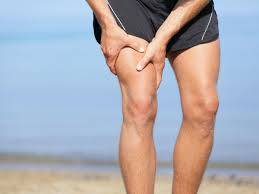
DOMS recovery

When looking through research literature, the jury is still out when it comes to what works best in minimising DOMS/recovery time. Interventions can include cryotherapy (ice or cold exposure), massage, compression, stretching, massage guns, creams, and a whole plethora of other knick knacks you can think of. Be cautious with anything that promises or sells miracure cures (remember there aren’t any). The evidence that does exist suggests that most of the aforementioned interventions may provide some pain relieving effects short term, but anything past that is still not 100%.

For many individuals with DOMS, management may simply mean getting back to some light mobility work or gentle exercise, or even just exercising another part of your body. This is one reason why many individuals like to isolate body parts (think leg day, arm day etc) during gym sessions, that way they allow rest days during the DOMS recovery period.
To hot pack or cold pack?

I find heat packs and ice packs are hugely personal preference (some people love heat packs, some people love cold packs). If we are getting technical and looking at the physiological mechanisms then usually a heat pack for muscle relaxation and to increase blood flow, and ice packs to help hinder swelling and inflammation. A recent study by Jerrold Petrofsky and his colleagues in 2015 looked at heat and cold therapy both immediately after exercise and 24 hours after exercise, and its effects on strength, pain levels and several other measures. Their results indicated that both were useful for different things at different times.

Imaging or no imaging?

Imaging is not required for DOMS, however if soreness does persist for more than several days even with resting then a quick visit to your physiotherapist may be warranted. With strains, mild strains don’t often require imaging unless symptoms are persistent. Given imaging can be expensive and findings of imaging may not actually change rehabilitation management, many healthcare professions would recommend against imaging for low grade strains early on. Moderate strains may require imaging again depending on the recovery process so far, as well as the site of strain.

Severe strains typically do require imaging, as this will help clarify whether further referral to an orthopaedic specialist is necessary.

It should be noted that imaging is a great tool to rule out any nasty pathology, but doesn’t tell you where pain is nor how capable you are. Use imaging sparingly.
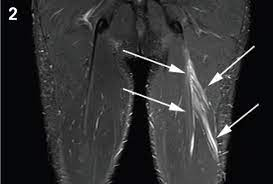
The above picture shows an MRI of a low grade hamstring muscle strain, where the muscle fibres show some oedema (swelling) but fibres are predominantly intact.

Courtesy of Aspetar Sports Medicine Journal (https://www.aspetar.com/journal/viewarticle.aspx?id=28#.YmnEDNpByUk)

Strains

For mild muscle strains the recovery process may take several days to several weeks, but you may be able to continue light or gentle exercise. It’s often a good idea to ease off intense sport or the specific exercise which caused the muscle strain to begin with, as you don’t want to keep hammering that same injured muscle whilst it’s healing. Maintain mobility and movement, but keep effort low, simply easing back the intensity/effort can do the trick with mild strains.

Moderate muscle strains will take longer, we are talking several weeks to potentially months. As mentioned before this will be influenced by the location of the injury. For these injuries there may be a period of relative rest, and usually you will have to “baby” the injured area for a good while before going back to your exercise. Mild analgesics (such as paracetamol) or anti-inflammatories may be required to help with symptoms. If there is some muscle tension or tightness after the healing process is complete, gentle stretching may be introduced but avoid this during the early days of recovery.

Severe muscle strains will take the longest, and recovery can be months if that. In these cases imaging is usually advised to help determine if surgical input is required.

Anti-inflammatory medication or not?

There is discussion amongst healthcare professionals nowadays regarding the use of anti-inflammatory medication during early stages of soft tissue injuries. It is argued that disrupting the inflammatory process during early stages of a soft tissue injury may interrupt the body’s natural physiological reaction to an injury. What happens is during the inflammatory stages (usually lasting for several days after an injury) the body floods the injury site with cells that limit further injury and kick-starts the healing process. Thus stopping this would appear counterproductive to healing and optimal tissue repair.

HOWEVER, given inflammatory pain can be quite significant and limit the amount of active recovery/rehab you may partake in there should always be a balance between using medication for symptom relief when needed, and avoiding it if possible.
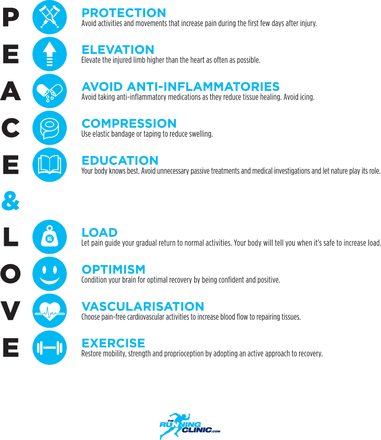
Courtesy of Dubois & Esculier (doi.org/10.1136/bjsports-2019-101253)

TIPS FOR DOMS AND MILD TO MODERATE MUSCLE STRAINS.

Exercise:

  • Early loading and movement is key! Talk to your physiotherapist and find movements that your body likes or can tolerate, and avoid the ones that aren’t so great for the time being. This may include targeting all your muscles apart from the affected one (but may also include targeting the affected one in a reduced manner).

  • We know your body heals best and feels best when you move, gone are the days of absolute bed rest!

  • Mobilise early and avoid stretching until later stages of the healing process if necessary.

Pain relief:

  • Medications can be a great way to make the healing process a little more comfortable (think paracetamol and ibuprofen, always consult your GP or pharmacist for medication information).

  • Heat/cold therapy.

  • Creams/sprays – Topical creams can provide temporary pain relief (think brain distraction), with some topical creams also having anti-inflammatory properties as well.

Diet:

  • Keeping a balanced diet that is nutrient rich and contains adequate protein will help fuel the body for recovery.

Protection:

  • In some cases taping, bracing or splints may be used during early stages of an injury, but remember you want your muscles and body to do the work in the long run and not the tape/braces/splints. Chat to your physiotherapist about best taping/bracing/splint options for your specific injury.

Later stages of physiotherapy rehabilitation

A common mistake with muscle strain rehabilitation is stopping when pain has fully resolved, after all pain is a great motivator! However, by the time muscles have healed and you are pain-free it is likely the muscle has weakened or deconditioned to a degree. Often we prematurely return to a high level of activity without doing the necessary work to get our injured muscle back to its former strength, if not further. As you can imagine this alone is a risk factor for a repeat muscle strain, and so the vicious cycle starts. Take your rehab a few steps further to really set yourself up brilliantly for the long run.

Making sense of all this and putting all the rehab principles into practice can definitely be a daunting task. To get your rehab on track for the best outcomes possible, book in to see your local friendly physiotherapist.

Part 2 SUMMARY

  • For DOMS, don’t worry! Keep going with gentle exercise, avoid high intensity stuff involving the sore muscles.

  • After being cleared for a severe strain, GET MOVING! Start low and slow and work within low/no pain movements.

  • Medications can help make the process more comfortable, but healing takes time. Be patient.

  • Keeping active will best help the healing process, and help retain muscle flexibility/range, cardiovascular endurance and muscle function.

  • Fuel your body with adequate protein and a variety of nutrients/food groups.

  • Imaging only when necessary.

  • Once you think you’re out of the woods, take it several steps further for re-injury prevention.